qm lingua – Linking Quality to Culture®

Linking Quality to Culture®

Quality management – only as much as you need.

I help companies get from their first vision to safe series production: with quality management systems that fit how they work, audits that move things forward, and people – not paperwork – at the centre.

Golden ratio 1 : 1,618 Quality & Culture 1,618 1
Golden ratio, 1 : 1.618. The columns, type sizes and spacing on this page follow the same proportion.

Services

Compliant where it is essential. Lean wherever possible. And always in a way your people can actually work with.

Quality management systems

DIN EN ISO 9001ISO 9000 ff.

Setting up, revising and slimming down your QMS – only as much documentation as is genuinely needed.

Automotive standards

IATF 16949VDA 6.xCQI-9

Understanding and meeting the requirements of OEMs and Tier 1 customers – where they are essential.

Audits

1st & 2nd partyVDA 6.3 / 6.4

System, process and supplier audits by an experienced auditor – with findings you can act on.

Project management

APQPClaim management

From product development to series-ready mass production: budget, schedule, quality and interfaces under control.

Sustainability in the IMS

ISO 14001ISO 50001DNK

GAP analysis, materiality analysis and integrating environment, energy and sustainability into your management system.

External QM support

InterimPeak workloads

A neutral outside view, fresh questions in root-cause analysis and relief when day-to-day business gets tight.

Keep it simple

Between primitive and complex lies simple. A good management system meets the standard and the law, and contains only what the process really needs.

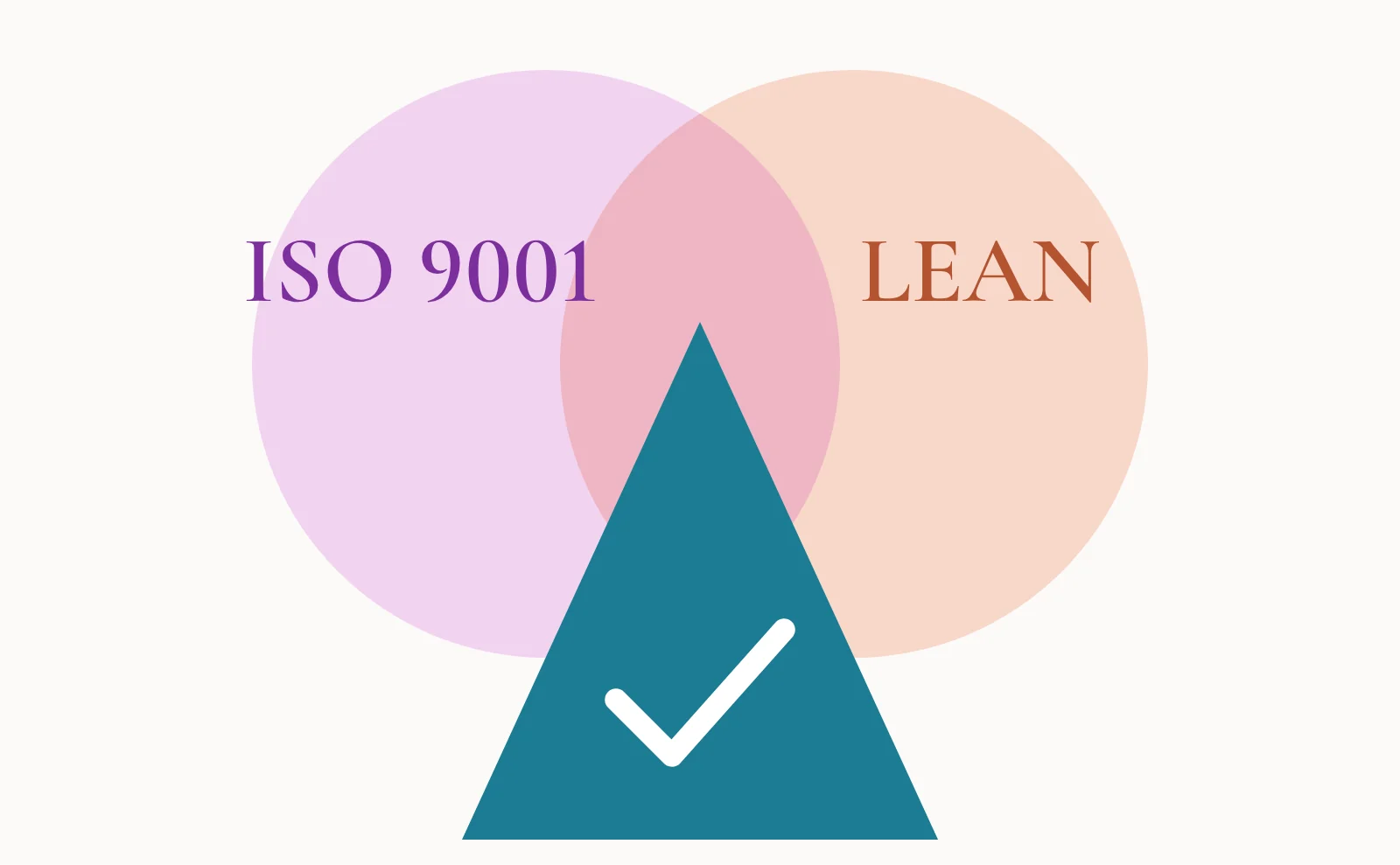
ISO 9001Meet the standardLaws & requirementscheck & complyTransparencycreateLEANOrganisational developmentSolid basisfor the organisation COMPLEXPRIMITIVESIMPLE
Together. Planned. Simply implemented.
StandardsLawsTransparencyLEAN=Strong organisation

Effective. Economical. Compliant.

DIN ISO 9001 requirements and LEAN management in one integrated leadership and management system that delivers results instead of bureaucracy.

ISO 9001Framework & requirements Customer requirementsStructure & documentationOpportunity & risk managementAudits & evidence LEAN ManagementCulture & methods Value stream mappingKaizen – CIPStandard workPoka-YokeShopfloor management Result Customer satisfactionQualityShorter lead timesTransparency & knowledgeHigher efficiency

ISO 9001

Framework & requirements

  • Customer requirements
  • Structure & documentation
  • Opportunity & risk management
  • Audits & evidence

LEAN Management

Culture & methods

  • Value stream mapping
  • Kaizen – CIP
  • Standard work
  • Poka-Yoke
  • Shopfloor management

Result

  • Customer satisfaction
  • Quality
  • Shorter lead times
  • Transparency & knowledge
  • Higher efficiency

From compliance to impact

  • ISO as a management framework, not an end in itself
  • LEAN as the leadership standard
  • Impact happens in the process, not in the report

Lead, don't inspect

  • Managers take ownership of processes
  • Regular gemba presence where value is created
  • Decide where the value is created

Processes deliver results

  • End-to-end view instead of silo thinking
  • Clear process owners: experts, not necessarily managers
  • Stability before speed, no full utilisation

Fewer figures. More impact.

  • Real-time KPIs instead of monthly reviews
  • Make deviations visible and act
  • Audits as prompts for improvement

Better every day – CIP

  • Improvement as daily business
  • Management prioritises and tracks actions
  • Measure impact, not activity

Digital follows process

  • Stable process first, then the tool
  • Digital boards instead of PowerPoint reports
  • Real-time transparency for leadership

Separate the task of the person from the task of the product or service.

Auditing backwards

5S, standardisation, shopfloor: get the product under control. A pilot team starts at one machine.

  1. How do we do it today?The team documents the process itself.
  2. Capture the differencesCheck target versus actual promptly.
  3. Find the conditions for successWhat has to be right for it to work?
  4. Record the standardIn the machine folder, using the shopfloor template.

Close communication gaps

PeopleMaterialMachineInformationMethod

Zero-defect requirement

Recognise what isn't working.

LEAN principle
“A good living”: projects delivered on budget and on time, and a product that succeeds from the customer's point of view.

Leave out everything unnecessary. Everything that causes hassle creates effort.

Method: the PDCA cycle

Ways of thinking that lead to more quality – from your vision to safe mass production. Working with people and applying methods.

Quality Standard PDCA
The PDCA cycle rolls quality uphill. The wedge – your management system – holds what you've achieved.

When the PDCA cycle helps

  • Starting a new improvement project
  • Developing a new or improved design of a process, product or service
  • Defining a repetitive work process
  • Planning data collection and analysis to verify and prioritise causes
  • Implementing changes
  • Working towards continuous improvement

Plan

Identify and define the target state

  • Vision → strategy → quality policy → quality objectives
  • Stakeholder analysis: internal and external parties
  • Assess risks & opportunities, benchmarking

Do

Capture the current state and implement

  • Plan resources & competences, build awareness, establish communication
  • Turn ideas into controllable series processes – securing the product lifecycle
  • Customer and supplier management

Check

Compare target and actual

  • Monitoring, measurement, analysis, evaluation
  • Audits
  • Management review and KPIs

Act

Set standards

  • CIP – continuous improvement process
  • Kaizen
  • Complaint management

About me

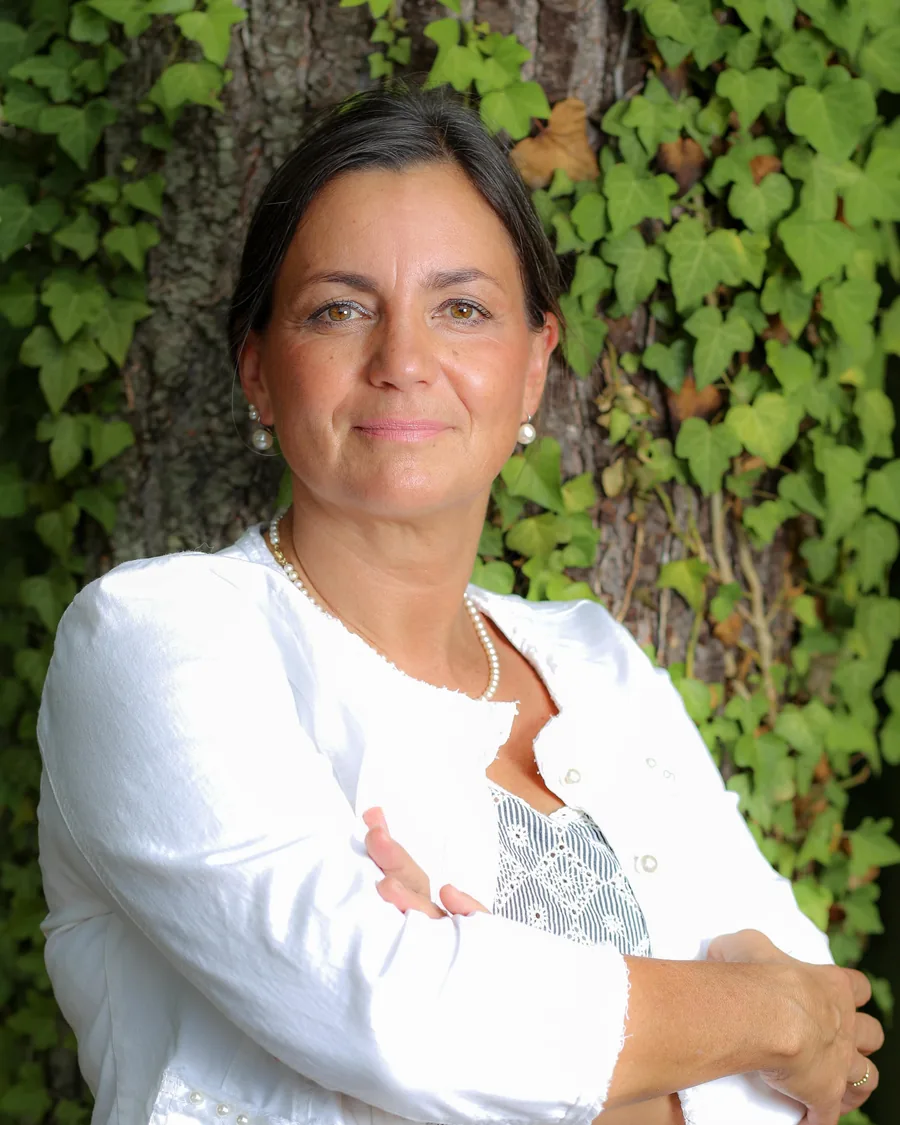
Carmen Piernot

I'm Carmen Piernot. For more than 30 years I worked in the automotive supply industry – on projects with OEMs and Tier 1 suppliers, as project lead in the mass production of stamped and deep-drawn parts, and as an auditor.

With qm lingua I bring that experience to companies that take quality seriously but don't want mountains of paper. And because quality is always about culture too, I work in German, English and French.

30+years in automotive
5–10 mstamped parts & tool sourcing
3working languages: DE, EN, FR
4key markets: FR, SE, CN, US

Quality management

Requirements, application & implementation
  • DIN EN ISO 9000 ff. series
  • IATF 16949 – 1st/2nd party auditor, VDA qualified
  • Representative for VDA 6.3 & 6.4, ISO 14001 environment, ISO 50001 energy
  • Sustainability manager (DGQ)
  • CQI-9 process auditor: heat treatment system assessment

Automotive industry

30+ years in the supply industry
  • Projects with OEMs & Tier 1 suppliers
  • Project lead in mass production of stamped and deep-drawn parts
  • 5–10 million stamped parts & tool sourcing

Project management

From enquiry to series production
  • Responsibility for budget, schedule and quality
  • Technical contract negotiation and review
  • Feasibility assessment
  • Product development to series-ready mass production
  • Interface and claim management

Process management

Making running series better
  • Continuous improvement of series processes for stamped and deep-drawn parts
  • Increasing the share of value added
  • Developing core business areas
  • Innovation management

International communication

Fluent negotiation in three languages
  • English & French at negotiation level
  • Global tool purchasing
  • Supplier management and customer care worldwide – focus on France, Sweden, China and the USA

Frequently asked questions

Short answers to the questions asked most often.

What does qm lingua do?

Carmen Piernot advises companies on quality and project management: setting up and slimming down ISO 9001 quality management systems, automotive standards such as IATF 16949 and VDA, system, process and supplier audits, and integrating sustainability into the management system.

Which companies is this for?

For companies that want to set up, streamline or audit a management system. The focus is on industry and automotive suppliers; Carmen Piernot worked in the automotive supply industry for more than 30 years.

Which standards do you work with?

DIN EN ISO 9001 and the ISO 9000 series, IATF 16949, VDA 6.3 and 6.4, ISO 14001, ISO 50001, CQI-9 and the German Sustainability Code (DNK).

How do ISO 9001 and LEAN fit together?

ISO 9001 provides the framework and requirements; LEAN management provides culture and methods such as value stream mapping, kaizen, standard work and poka-yoke. Together they form one integrated leadership and management system that delivers results instead of bureaucracy.

Which languages do you work in?

German, English and French, all at negotiation level.

Where is qm lingua based?

In Oberkirch in the Ortenau district, Baden-Württemberg, Germany. Carmen Piernot has looked after customers and suppliers worldwide, with a focus on France, Sweden, China and the USA.

How do we get started?

With a short conversation: email mail@qmlingua.de or call +49 159 0174 5550. After that it is usually clear where your management system stands and what the next sensible step is.

Oberkirch im Renchtal

Let's talk about your quality.

A short conversation is usually enough to see where your management system stands and what the next sensible step is.

Send an email


Carmen Piernotqm lingua
Address
Carmen Piernot
qm lingua
Steinstraße 2
77704 Oberkirch
Email
mail@qmlingua.de
Phone
+49 159 0174 5550