A classic audit starts with the manual and asks whether practice matches it. Auditing backwards turns this around: we start at the machine and ask what really works there. 5S, standardisation and shopfloor work share one goal: getting the product under control.
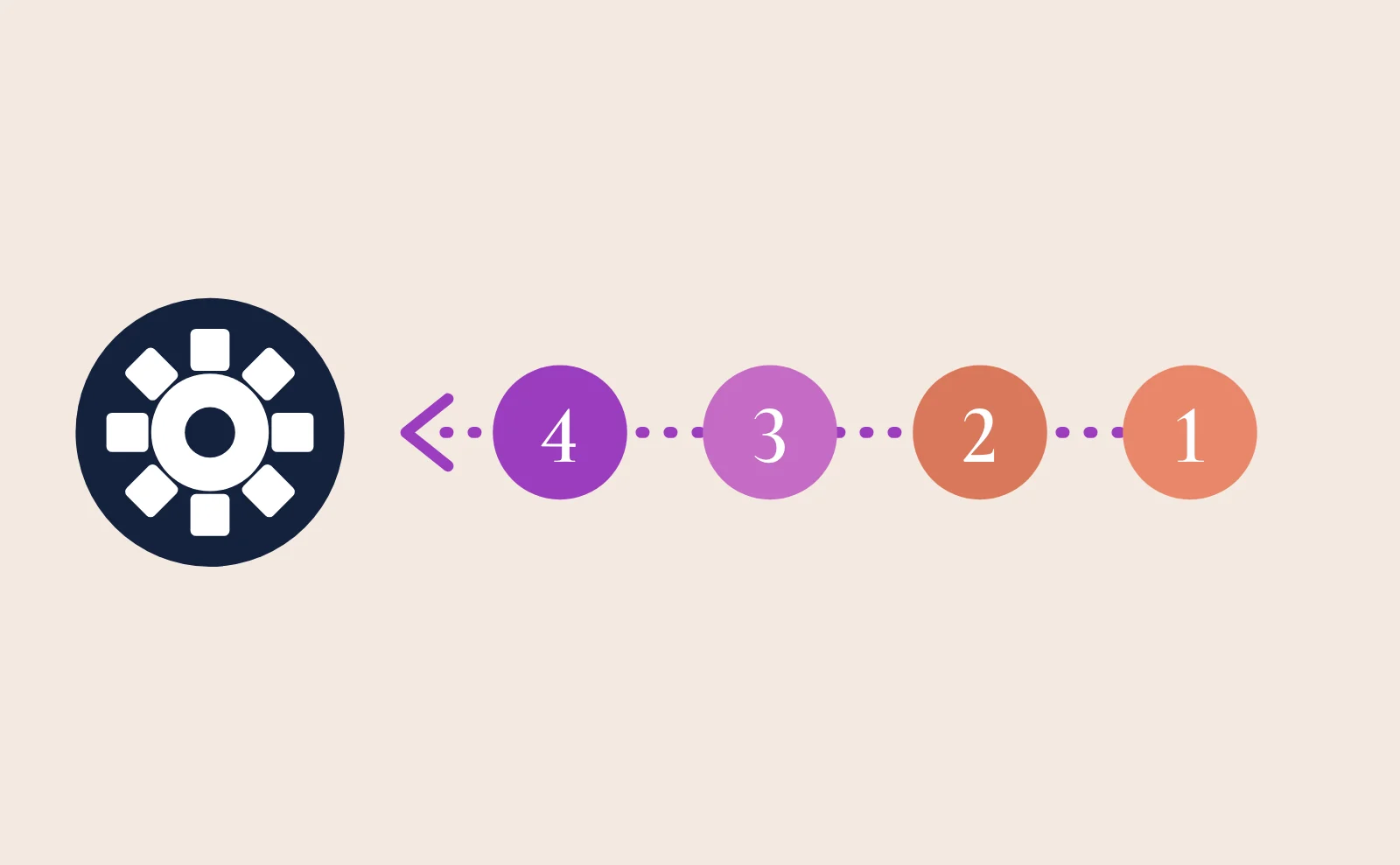
Four steps to a standard
How do we do it today? A pilot team documents the process at one machine itself.
Capture the differences: target versus actual is checked promptly.
Find the conditions for success: what has to be right for it to work reliably?
Record the standard: in the machine folder, using the shopfloor template, right where it's needed.
Closing communication gaps
Deviations almost always arise at the interfaces between people, material, machine, information and method. Looking at these five areas together finds the cause faster than any checklist.
Zero defects starts with honesty
The zero-defect requirement first of all means recognising what isn't working. A standard the team has developed itself gets used. One handed down from above gets filed away.